52 Weeks of Albariño Wines
52 Weeks of Albariño is your complete guide to the wines and the grape, from their homeland of Rías Baixas in northwest Spain, to food pairings and unique cultural experiences. After 52 Weeks of Albariño, you’ll be a Rías Baixas Albariño ambassador. Drop by often for new pairings, tips, and stories!
Recent articles
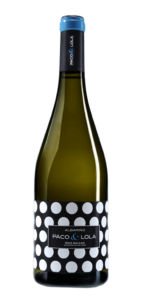
Winery Profile: Paco & Lola
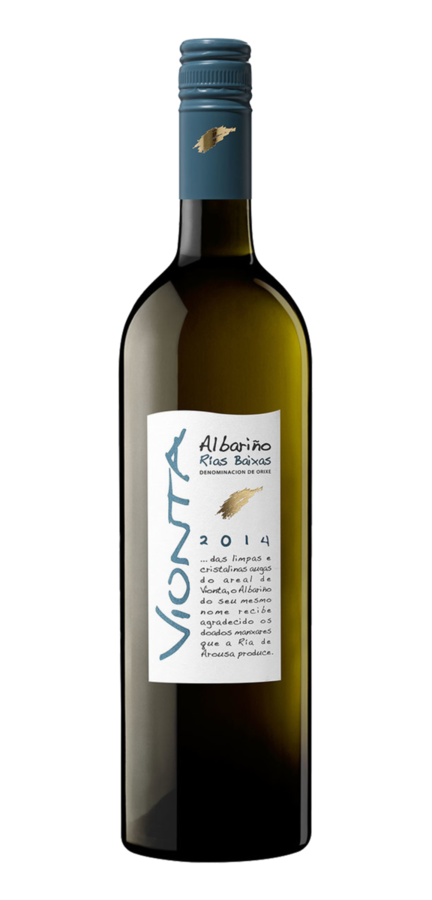
Read MoreWine Tasting Video: Vionta Albariño
Read MoreSeared Scallops with Citrus Salsa and Warm Sherry Vinaigrette
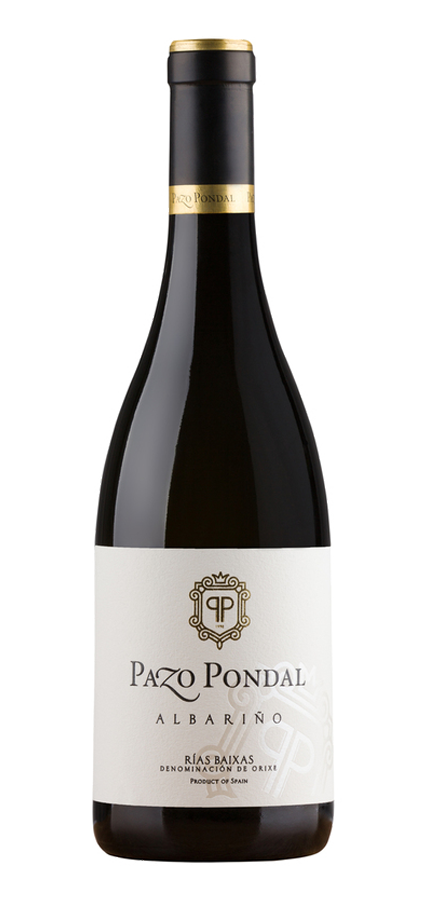
Read MoreWine Tasting Video: Pazo Pondal Albariño
Read MoreWinery Profile: Adegas Valmiñor
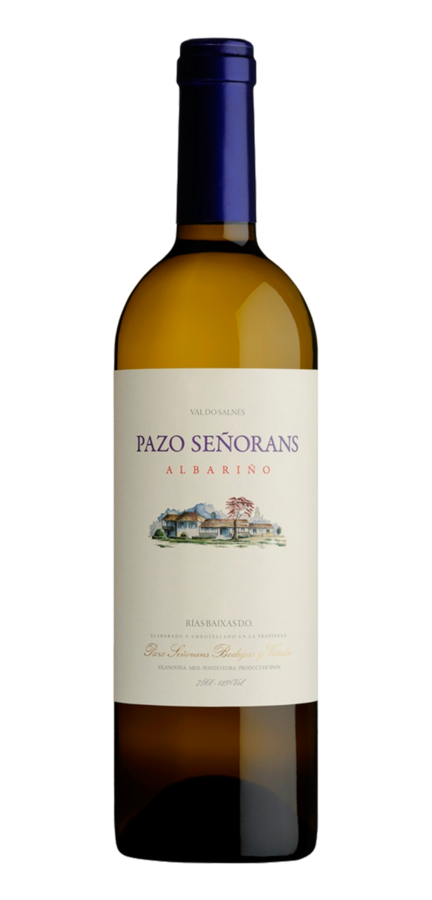
Read MoreWine Tasting Video: 2016 Pazo Señorans Albariño
Read MoreWinery Profile: Pazo Pondal
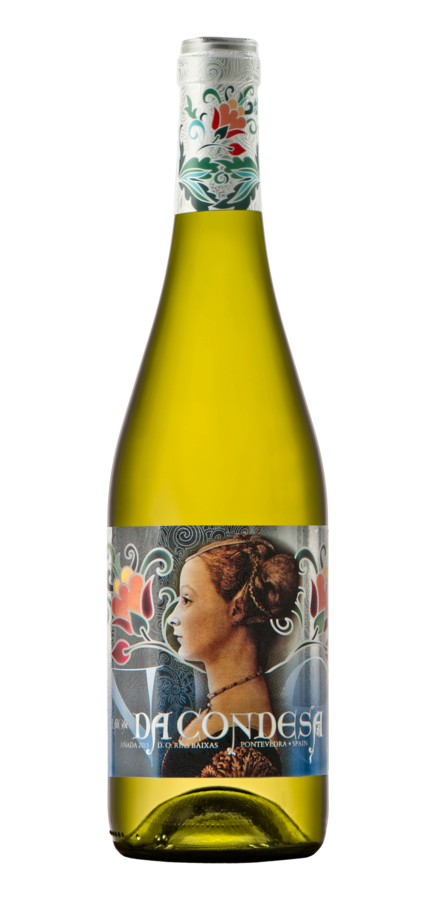
Read MoreWine Tasting Video: 2016 Lagar da Condesa
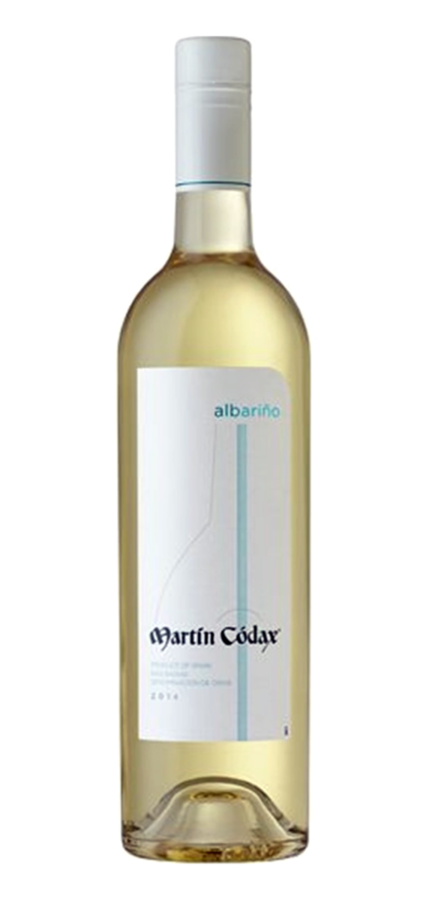
Read MoreWinery Profile: Martin Codax
Read MoreRoasted Radish Salad with Crème Fraîche Dressing
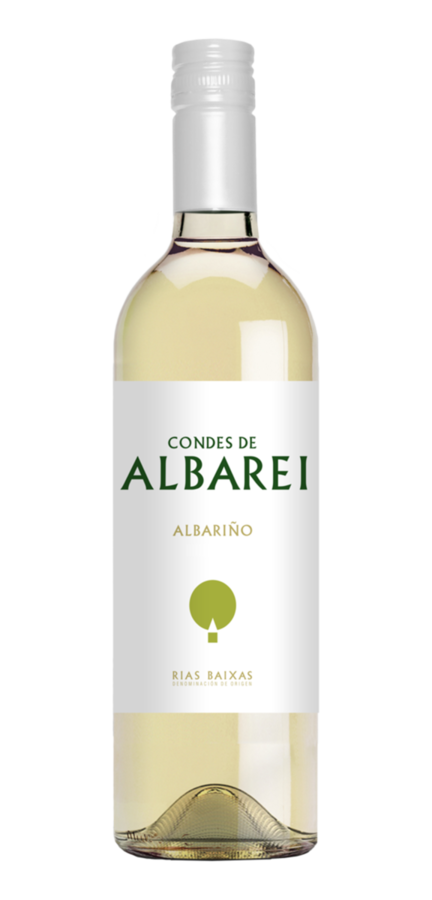
Read MoreWine Tasting Video: 2015 Condes de Albarei Albariño
Read MoreRoasted Beet and Green Apple Salad with Honey Mustard Dressing
Read MoreWine Tasting Video: 2015 Martín Códax Albariño
Read MoreRice with Lobster
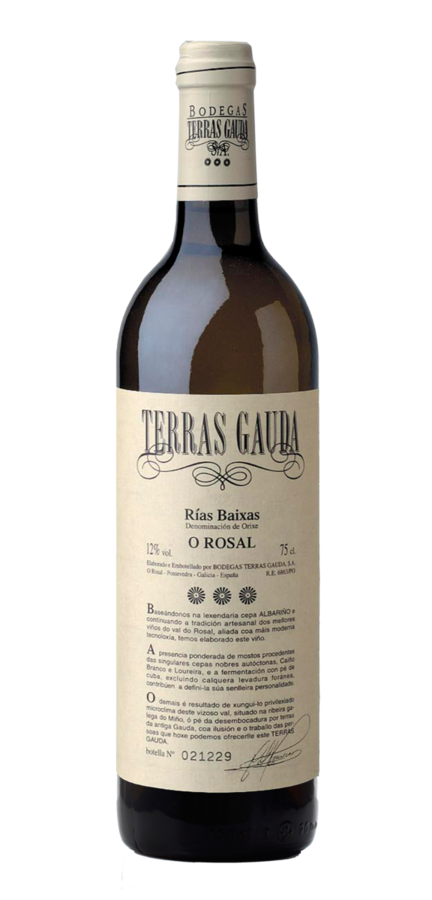
Read MoreWinery Profile: Terras Gauda
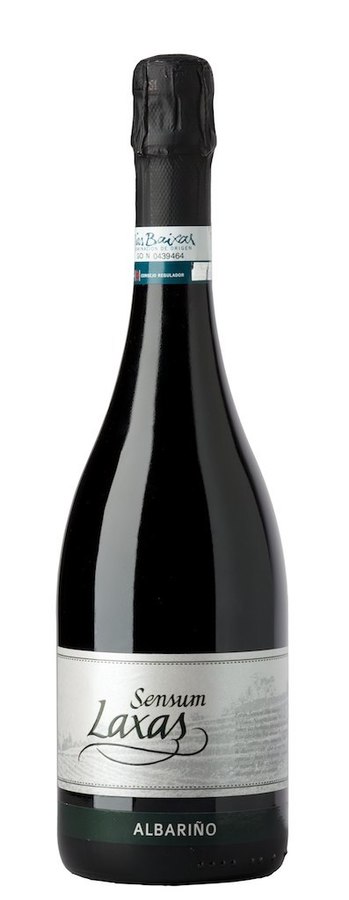
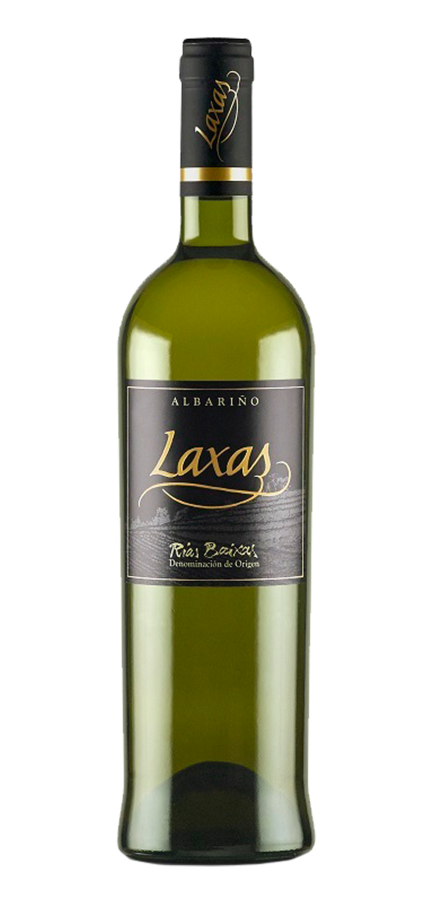
Read MoreWine Tasting Video: 2016 Albariño Laxas
Read MoreSole with Albariño Sauce
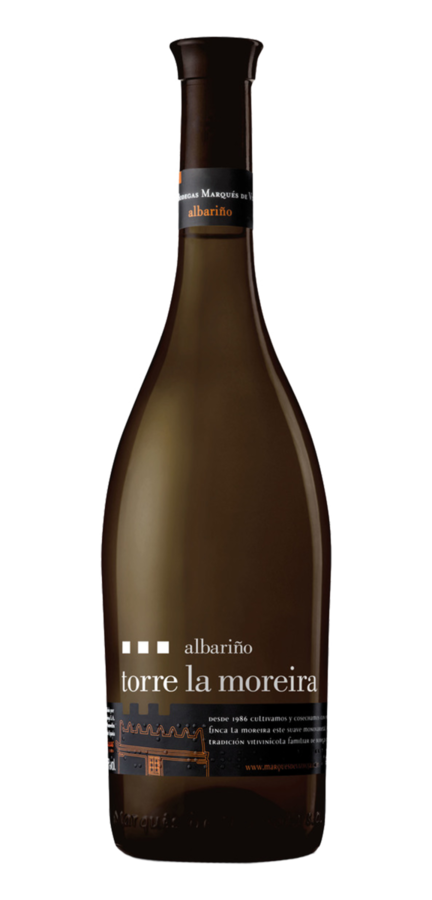
Read MoreWine Tasting Video: 2016 Torre la Moreira Albariño
Read MoreWinery Profile: Señorio de Rubios
Read MoreSomm Says: Brent Kroll
Read MoreWine Tasting Video: 2016 Nora Albariño
Read MoreWinery Profile: Altos de Torona
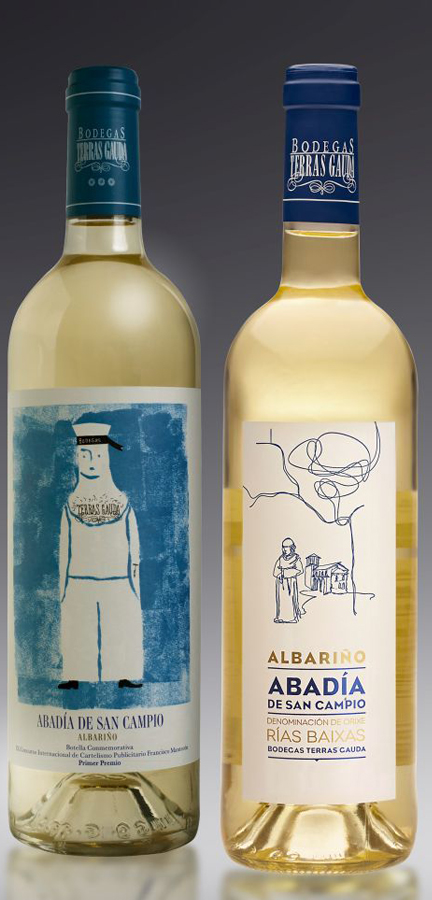
Read MoreWine Tasting Video: 2016 Abadia de San Campio Albariño
Read MoreKale, Apple and Manchego Cheese Salad with Tahini Vinaigrette
Read MoreChef Says: Alex Raij
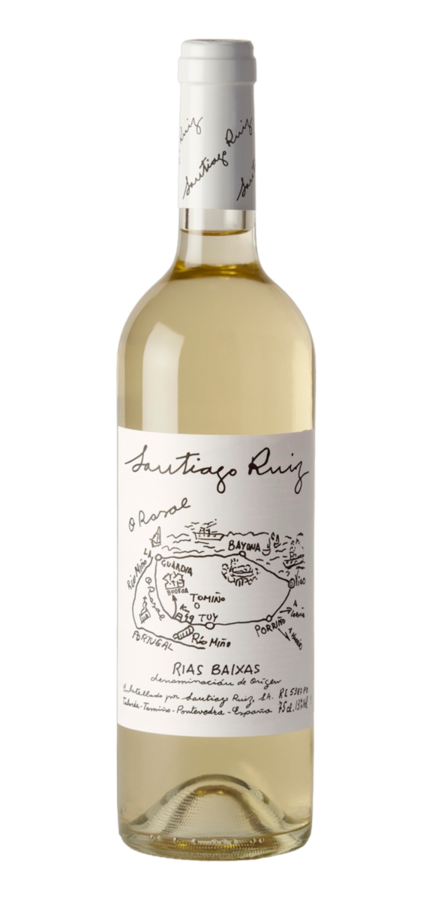
Read MoreWine Tasting Video: 2016 Santiago Ruiz Albariño
Read MoreRías Baixas Sub-Region: Soutomaior DO
Read MoreWinery Profile: Condes de Albarei
Read MoreRías Baixas Sub-Region: Ribeira do Ulla DO
Read MoreCreamy Parsnip and Apple Soup
Read MoreWinery Profile: As Laxas
Read MoreWinery Profile: Santiago Ruiz
Read MoreStuffed Chicken Breasts with Butternut Squash and Figs
Read MoreRías Baixas Sub-Region: Condado do Tea
Read MoreRías Baixas Sub-Region: O Rosal
Read MoreRías Baixas Sub-Region: Val do Salnés
Read MoreAlbariño 101 – Introduction to the Grape
Read MoreAlbariño 101 – Wine Focus
Read MoreRoasted Acorn Squash with Pomegranate Glaze
Read MoreWinery Profile: Paco & Lola
Winemaker: Nuria de la Torre Sayáns:
Wine Characteristics:
Albariño is characterized by being an Atlantic wine, closely linked to our terroir (climate and soil), which gives it unique differentiating element that are ideal both for the development of both young wines and aged wines.
Favorite Place in Galicia:
The beach at Lanzada – it is the perfect place to play sports or relax.
On Winemaking:
Paco & Lola wines are characterized by being faithful to the variety from which they come from – Albariño – and to the soil from where they are cultivated from. The basis of our wine is freshness harmonious in both nose and mouth. Our younger wines cover a full range of fruit and flower notes, while our wines aged on lees have more complex tones.
Seared Scallops with Citrus Salsa and Warm Sherry Vinaigrette
Ingredients:
6-8 scallops depending on size
2 Tablespoons olive or grapeseed oil
For the Salsa:
2 Naval or Cara Cara oranges peeled and segmented
1 shallot, finely diced
1 jalapeno, finely diced
Juice of 1 lime and the zest from it
2 -3 Tablespoons of fresh mint chiffonade (approx. 20 mint leaves)
Kosher salt and freshly ground black pepper
1 Tablespoon of olive oil
For the vinaigrette:
1 ½ Tablespoons of honey
3 Tablespoons of sherry vinegar
¼ cup olive oil
Salt and pepper to taste
Method:
Combine the orange segments, diced shallots, jalapeno, lime juice and chopped mint in a bowl. Season with the salt, pepper and olive oil. Place aside and let the flavors marinate and come together. This can be made ahead of time and refrigerated for up to 5 hours. In a separate small bowl, add the ingredients for the warm vinaigrette and place near the stove ready to use. Take your scallops, if they are very wet you can pat dry with a paper towel. This will help them caramelize when cooking. Season your scallops with salt and pepper. Place your pan on medium high heat, add your oil and begin to place your scallops in the pan without shaking the pan or moving the scallops around. This process will ensure a perfect crust on the scallops. Leave the scallops for 2 minutes, then turn them over cook for another minute, then add your vinaigrette and reduce the liquid until it has slightly thickened. Finally place your scallops on top of the orange salsa drizzle with the warm vinaigrette. Garnish with more fresh mint.
Yields: 2 Servings
Photo: Jay Baris
Winery Profile: Adegas Valmiñor
Winemaker: Cristina Mantilla
Tradition. Family. Friends. Devotion. Vocation. A wide range of words could describe the winery Adegas Valmiñor because it is a wide range of great things that lead into the same passion – the wines. The winery was first stablished in 1997, but its how-to-do tradition is ancestral. The team loves the Albariño grape, but also Treixadura, Loureiro, Caíño, and Castañal. Adegas Valmiñor loves the land, O Rosal, and all that it gives to them. They respect it and take care of it because it is their legacy. It is their life.
Wine Characteristics:
Albariño is one of the most unique varieties in the world due to its aromatic expressiveness and versatile elaboration. Thanks to its marked acidity, we can make young, fresh wines but also work with lees to elaborate more structured and voluminous wines. Albariño adapts very well to elaborations with wood but can maintain its characteristics and even allows aging for more than a year. The ability to elegantly combine fruity and floral aromas in the same glass is one of the most unique characteristics of Albariño in comparison to other varieties. Together with its mineral character, seasoned with the salinity straight from the sea from our coasts, each glass of Albariño is exquisite.
Favorite Place in Galicia:
Undoubtedly, it is the O Rosal Valley where the Santa Tecla Mountain stands – a place full of the magic of our ancestors, the Celts. There you can find thousand-year-old stone houses that still stand and tower next to the nearby Portuguese border and the Valmiñor vineyards that combine varieties of the highest quality including white grapes such as Loureiro, Caíño Blanco, and Godello and red grapes with Brancellao, Sousón, and Catañal. You can also experience a magnificent show with each sunset. The Miño gently surrenders its waters to the Atlantic, and the sea of fog that slowly covers the mouth of the river makes the most beautiful horizon for the setting sun. Because of this, it is my favorite place.
On Winemaking:
I have respect for the varietal aromas, and for what makes us unique: the marked Atlantic character of its microclimate with the granitic soils of the region. I focus on cold maceration in my winemaking technique for varieties such as Albariño and Loureiro. It increases the expressiveness of these varieties and softens the intensity of their acidity and aging on lees, which is not necessarily always in contact with wood, to achieve greater volume and smoothness on the palate.
Winery Profile: Pazo Pondal
Winemaker: Ramon Valls
Pazo Pondal winery naturally blends into the impressive landscape of Arbo, Condado do Tea. The outdoor areas inspire and delight visitors, who are able to enjoy the exceptional views of the vineyards. Currently, the winery is the second generation in a family tradition dedicated to the cultivation of its beloved Albariño. The family has inherited the passion, devotion, and love of the vineyards from its ancestors and are increasingly dedicated to viticulture that is responsible and respectful of the environment. At Pazo Pondal, the team wishes to play its part in preserving the environment. They are therefore proactively committed to its protection and sustainability. Working closely with experts in the field, the winery started the conversion process in 2015, enhancing and controlling its own organic matter. Organic growing is a pledge to sustainable development. The winery’s goal is to ensure that there is minimal risk of the wine’s aromatic and organoleptic properties being altered through exposure of the grapes to certain chemical products. Pazo Pondal is seeking to obtain organic grapes in a sustainable and balanced manner, preserving the fertility of the soil and respecting the biodiversity of the environment. Everyone working for the winery, and with the family, strives to achieve this sustainability objective.
Wine Characteristics:
The balanced acidity, which makes the wine more versatile to pair with all kinds of foods including meat, its acidity, and complexity cleanse the palate and allows you to change flavors and textures. Of course, the Albariño of Galicia is the purest since the other parts of the world by the soils and other conditions of the climate are totally different.
What is Your Favorite Place in Galicia?
My winery! After so many trips, I get to come and rest on my terrace, on my couch of pallets (which I did during my August vacation), drink wine, and be able to enjoy the view of the whole vineyard. I also have the Portuguese valley in the background and it is truly something magical. There are no words to explain it.
Describe Your Wine and Techniques:
We are a young winery, but we take special care of the details in the almost artisanal process we follow making our wines. The grapes come from partially-organic vineyards, and we harvest gently by hand only the best grapes. To preserve all the character of these grapes, we use indigenous yeast from our vineyards that we have worked the past two years to isolate. We use two types of fermentation and aging in our wines: fermentation and aging on the lees in stainless steel or in single-use French oak barrels. For the Propia brand, we show a lively, aromatic, and persistent side of Albariño. Pazo Pondal is our premium expression and showcases how Albariño can age in the bottle. It is elegant, complex, and made to age beautifully for five or six years.
Winery Profile: Martin Codax
Winemaker: Katia Alvarez
Wine Characteristics:
What makes Albariño so special is without a doubt that is a very well-balanced wine, fresh and crisp. It is elegant, citrusy, and full of subtle aromas that invites you to drink. Albariño is versatile and easy to pair with almost any sort of food, which allows you to always find the right time to enjoy it and indulge.
Favorite Place in Galicia:
Any small secluded beach, like the ones you can find at the “Illa de Arousa”, where you can unwind and inhale the comforting smell of the sea.
On Winemaking:
Our wines try to reflect the place where they are made. They emphasize the characteristic freshness of our mild climate – humid without very high temperatures, the salinity and minerality coming from the Atlantic Ocean that bathes Rias Baixas and caresses our vineyards. For throughout the vinification process, our aim is to respect the terroir and preserve the essence of each of the vineyards, so we get the best expression of Albariño.
Roasted Radish Salad with Crème Fraîche Dressing
Yield: 4 servings
INGREDIENTS:
• 10 -12 red radishes (or baby turnips) halved or 4-5 watermelon radishes quartered (watermelon radishes are significantly larger
• 3 Tablespoons olive oil
• sea salt and pepper
• 6 cups lamb’s ear lettuce (mache)
• 1/2 cup toasted pine nuts
• 1/4 cup crème fraîche
• 2 Tablespoons water
• 3 Tablespoons finely chopped mint
DIRECTIONS:
Preheat oven to 400 degrees F (230 C). Place parchment paper onto a baking sheet then coat the radishes with 2 tablespoons of oil and season with salt. Roast in the oven for 15 to 20 minutes until slightly caramelized and al dente. While the radishes are roasting, clean and dry the mache and place on a platter. Once the radishes are done, spread the radishes on top of the mache and sprinkle the toasted pine nuts. For the sauce, simply combine the crème fraîche, water, mint, and the rest of the olive oil – briskly whisk. Season with salt and pepper and drizzle all around. Drizzle the dressing on top of salad and serve immediately.
Photo: Stef Schwalb
Chef Shoshana Quint Bio
Shoshana Quint is a chef and teacher who graduated from Peter Kump’s New York Cooking School (the precursor to the Institute of Culinary Education). She trained and worked closely for celebrity-chef Jean-Georges Vongerichten, first at Jean-Georges’s JoJo Restaurant, then at Mercer Kitchen in Soho, and lastly as his chef de cuisine at Lipstick Café. Next, Shoshana headed overseas to build a catering company and cooking school in Amsterdam. After two years in the Netherlands, she moved back to her native Montreal to establish her own catering business and cooking classes before heading to New York City. She currently caters small dinner parties and conducts private cooking classes from her home there. Albariño is Shoshana’s go-to white wine for all seasons because of its versatility pairs to perfection with a variety of dishes and flavors from around the globe.
PAIRINGS:
Roasted Beet and Green Apple Salad with Honey Mustard Dressing
Ingredients:
• 4-6 baby beets (yellow, red, or candy striped)
• 2 tablespoons honey
• 1/3 cup sherry or white vinegar
• 1/2 cup good olive oil
• 2 Tablespoons stone ground mustard
• 1 Granny Smith apple
• 8 cups salad greens such as Mache or Bibb
• 1/4 cup chopped pistachios
Method:
Preheat oven to 375°F. Wash and pat dry the beets, then wrap in aluminum foil very well (sometimes I double wrap to avoid any steam to come out). Place in a baking dish and roast for 45 to 50 minutes, until tender when pricked with a fork. Cool to room temperature, then slip off the skins with your fingers and slice the beets (take proper precautions as beet juice stains easily).
Make the honey mustard dressing by mixing together the honey, vinegar and mustard then slowly whisk in the olive oil until ingredients emulsified. Season with kosher salt and cracked pepper. Thinly slice the apple.
To serve, place salad greens on a bowl or plate. Top with beets, apples, dressing, and chopped pistachios.
Yields: 4 servings
Photo: Stef Schwalb
PAIRINGS
Rice with Lobster
Ingredients:
2 Lobsters (male) of approx. 450 g
10 mussels
350 g of bomba rice (Note: This is a short-grain white rice, used in paella dishes.)
2 shallots
1 red pepper
1 clove garlic
2 tomatoes, chopped
2 leeks
½ chili or cayenne peppers, to taste
white wine
olive oil
salt
Method:
Remove the heads from the lobsters, being careful not to lose any of the liquids from inside. Fry the heads in oil and the leeks and chopped tomatoes. Squeeze the heads to get out all the juice. Add the white wine and allow it to reduce. Cover the water and boil for 30 minutes. Poach the chopped shallots and garlic and add the chili pepper, chopped into rings. Add the rice and turn up the heat. Add the stock made with the heads and the liquids from the lobster and boil for 12 minutes. Make sure that the liquid does not completely evaporate since you want the rice to be moist. Add the mussels, thoroughly cleaned, and the chopped lobster tails. As soon as the mussels begin to open up, take them out of the mixture, remove one side of the shell and add them back to the pan. Make sure all of the ingredients are cooked through, then allow to cool slightly before serving.
Yields: 4 Servings
PAIRINGS
Winery Profile: Terras Gauda
Winemaker: Emilio Rodríguez Canas
A premium boutique winery group, the Terras Gauda wineries were founded in 1989. The original Terras Gauda estates and winery are located in O Rosal, D.O. Rias Baixas. The group also encompasses Pittacum in D.O. Bierzo and Quinta Sardonia in the Douro area, with the most recent addition to the group founded by Peter Sisseck.
Wine Characteristics:
Terras Gauda is a leader in working with the heirloom varieties of Rías Baixas, including Albariño and the rare Caiño Blanco, an indigenous grape used in the O Rosal blend and showcased in the limited bottling. Terras Gauda La Mar Caiño Blanco almost disappeared from Rías Baixas in the 1980s until Terras Gauda rediscovered its high quality and launched an ambitious replanting program in 1989.
Favorite Place in Galicia:
My favorite place is my house in Oia – facing the Atlantic Ocean, and in the back, the vineyards and green hills of Galicia.
On Winemaking:
We use a trailee system on 400 acres of the southeast estate Albariño, which was planted in 1980s. Terras Gauda O Rosal is created with a unique blend of 70% Albariño, 20% Caiño Blanco (increasing this percentage every year) and 10% Loureiro. Our 100% of our Albariño comes from the highest altitude vineyards in our estate.
Sole with Albariño Sauce
Ingredients:
2 whole sole
½ onion
bay leaves
1 clove of garlic
1 glass of Albariño wine
olive oil
freshly squeezed lemon juice
salt
Method:
Clean the sole, cut the fillets and set the bones aside. In a pan, mix the fish bones with 1 glass of Albariño wine, ½ an onion, 1 bay leaf and 1 clove of garlic and gently cook on low for 15 minutes before draining through a sieve. Put the fillets in the oven with a few drops of oil and lemon juice. Let them cook for 5 minutes on medium heat and then pour over the Albariño stock. When the stock starts to simmer, remove the fish from the oven and serve.
Yields: 2 Servings
PAIRINGS
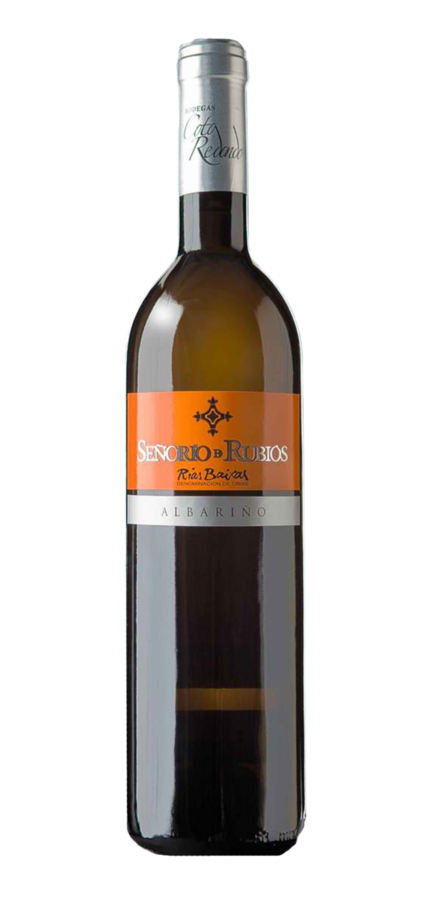
Winery Profile: Señorio de Rubios
Winemaker: Jorge Hervella
Established in 2003, Señorío de Rubios currently has 105 partners working together to combine traditional and modern values and techniques in their winemaking. The Miño River runs through Señorío de Rubiós in the Condado do Tea sub-zone of Rías Baixas. Together with innovation comes a respect for the essence of Albariño and its natural taste, which can only come from well-cared for and properly harvested grapes.
Wine Characteristics:
There are basically three unique characteristics of Albariño. First, the grape has to achieve a point of optimum maturity in order to a make a great white wine. Second, as it matures, it acquires that natural acidity essential to create an aromatic wine; and third, the combination of the previous two together with a strong aromatic presence come together to create the best white wine in the world.
Favorite Place in Galicia:
In Galicia, my favorite sub-region is Condado do Tea because it has a special microclimate advantageous for the cultivation of Albariño, which leads to a perfect natural alcohol content and tight acidity. Another interesting and booming area in Galicia is the Monterrei Denomination of Origin that produces Godello, which is very fashionable at the moment.
On Winemaking:
The mine of the raw material is the base, the rest is rolled and produced during development with the aid of our existing technology in the warehouse, which we rely on the most. In brief, my wines are so pleasant to drink, you’ll want another glass because the tight acidity assembled with the structure and body of the wines are very attractive.
Somm Says: Brent Kroll
Brent Kroll, Sommelier and Founder of wine bar Maxwell in D.C. “Early in my career when I waited tables, I remember being excited to sell Albariño to people asking for Pinot Grigio. It was always more aromatic, less bitter, and better for pairings. Fast forward a decade to when I first visited Do Ferreiro. I was blown away – if you want a measuring stick, their “Cepas Vellas” is one of the best white wines on earth. And Albariño is one of the best grapes in the world for expressing purity of fruit and salinity.”
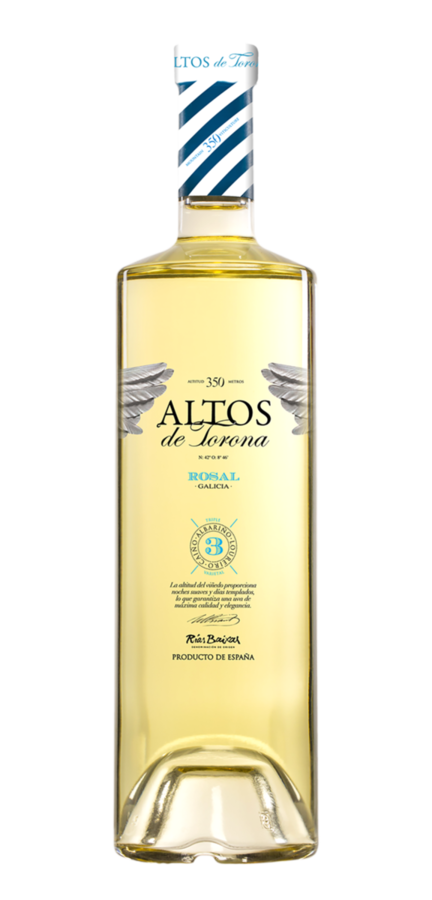
Winery Profile: Altos de Torona
Winemaker: Pablo Ibañez Sarmeinto
This sustainable winery has a 100-acre vineyard located on the slope of Monte Galelo (in the municipality of Tomiño, Pontevedra). Although it is near the Atlantic and the river Miño, its hillside location does not affect the mists and humidity of the valley or the cold in the summits. Its southern location guarantees plenty of sunshine, which contributes to the grape’s maturation.
Wine Characteristics:
The Galician climate is the most optimal place to develop the Albariño grape. The Atlantic climate that is characterized by frequent rain showers and mild temperatures favor the variety since it needs a necessary amount of humidity to fully develop. Albariño usually has a pale-yellow color that is accompanied by a hint of green tint. It has a bright and striking character that makes it very appetizing. It’s very intense aroma results in fruity scents such as white fruit, apple, citrus pineapple, and apricot, while also incorporating floral notes such as jasmine and other white flowers. Balsamic and spicy notes are also present. Albariño has a very good body with an alcohol content of 11–13 %, which leads to a pleasant aftertaste and wide nuances that make it stand out in relation to other varieties of wines.
Favorite Place in Galicia:
It is Santiago de Compostela. For the cultural richness it has, the city is the final stop of one of the greatest pilgrimages in the world and it is one of the most beautiful cities in Spain.
On Winemaking:
Our wines have complex aromatic scents with fresh and ripe fruits. Our wines are intense with nuances of stone fruits and tropical touches of passionfruit and mango. We produce gourmet wines that are structured with a sharp balanced vivacity and a long, persistent finish. The aromas and flavors of the varieties complement each other well.
Kale, Apple and Manchego Cheese Salad with Tahini Vinaigrette
Rias Baixas Wines has partnered with Chef Shoshana Quint to create exclusive dishes designed with our signature varietal in mind.
INGREDIENTS:
- 1/3 cup of tahini
- 2 tablespoons extra virgin olive oil
- Juice from 1 lemon
- 3 tablespoons pure maple syrup (avoid brands that include high fructose corn syrup or other additives)
- 1/3 cup of water; you can add more for a thinner consistency
- 1/4 cup toasted pine nuts
- 1 large bunch of Lacinato kale — remove the stems and thinly slice leaves. If in a rush, you can also use bagged kale.
- 1 small apple cored and cut into match sticks
- 1/2 cup of shaved Manchego cheese
- Optional — a pinch of cayenne pepper, for heat
- Sea salt and ground pepper to taste
Method
Step 1: For the dressing: Add the tahini, olive oil, lemon, and maple syrup into a small bowl or blender. Whisk in the water a little bit at a time, whisking until the water is incorporated. Keep adding water and whisking until you reach the desired consistency for your dressing. Taste and season with sea salt and pepper.
Step 2: Add the kale to the bowl. Drizzle some dressing onto the greens and use clean hands to mix and massage the kale so the leaves are coated evenly with dressing. Keep going through the process until the leaves are coated and the kale is slightly wilted. With a vegetable peeler shave the 1/2 cup worth of slices of the cheese.
Step 3: Transfer the salad to a serving platter and scatter with the apple, pine nuts*, and shavings of Manchego cheese. Drizzle on more of dressing if desired – it’s pretty as a garnish on the plate. Season with salt and pepper, and serve.
*For the pine nuts: Toast the pine nuts either in a small sauté pan until slightly brown in color, or place the pine nuts on a small tray and bake at 300 degrees in a toaster oven for 8-10 minutes. Watch them as they burn easily!
Chef Shoshana Quint Bio
Shoshana Quint is a chef and teacher who graduated from Peter Kump’s New York Cooking School (the precursor to the Institute of Culinary Education). She trained and worked closely for celebrity-chef Jean-Georges Vongerichten, first at Jean-Georges’s JoJo Restaurant, then at Mercer Kitchen in Soho, and lastly as his chef de cuisine at Lipstick Café. Next, Shoshana headed overseas to build a catering company and cooking school in Amsterdam. After two years in the Netherlands, she moved back to her native Montreal to establish her own catering business and cooking classes before heading to New York City. She currently caters small dinner parties and conducts private cooking classes from her home there. Albariño is Shoshana’s go-to white wine for all seasons because its versatility pairs to perfection with a variety of dishes and flavors from around the globe.
PAIRINGS
Photo: Stef Schwalb
Chef Says: Alex Raij
Alex Raij, cookbook author, and chef and owner of Basque-focused restaurants in New York City, spoke about her love for Albariño: “Most of my most unforgettable Albariño experiences have included the age-worthy old vine wines of Do Ferreiro. And eating pristine seafood in Galicia has been one of the most memorable gastronomic privileges of my life, especially in restaurants like el Meson Don Camilo in San Xenxo. Albariño with seafood treated simply but perfectly, conveys the essence of this coastal landscape.”
Rías Baixas Sub-Region: Soutomaior DO
On a map, Soutomaior evokes a tiny amoeba shaped like a hat. Yet this smallest sub-region of Rias Baixas, recognized in 1996, produces Albariño of great heart and finesse. The estuary known as Rías de Vigo ends at the bottom of the hills on which Soutomaior begins. Thus, the vineyards enjoy the cooling coastal influence of the sea. The light and sandy soils over granite bedrock serve the grape perfectly — producing elegant, mineral-tinged, peach-scented Albariño.
Winery Profile: Condes de Albarei
Winemaker: Andrea Obenza
Condes de Albarei was founded in 1988 by a small group of vine growers from the Salnés Valley, who united their efforts and vineyards to make and market excellent, high-quality Albariños. Condes de Albarei was the first Spanish white wine to earn a Gold Medal at the Challenge International du Vin in Bordeaux in 1991, and ever since, their wines have earned the highest recognition in both national and international competitions. Today, Condes de Albarei is a benchmark in D.O. Rías Baixas; Condes de Albarei Albariño is the flagship brand of the winery. In 2008, Condes de Albarei acquired Pazo Baión winery, a distinguished property with 54 acres planted with Albariño vines. Pazo Baión is a single vineyard, estate-bottled Albariño that rests on fine lees for six months with a limited production of 40,000 bottles. The winery is also sustainable.
Albariño Characteristics:
Albariño is a unique variety because of its small-size grapes and berries, high aromatic intensity and an acidity and freshness that make us enjoy our scenery by drinking a glass of wine.
Favorite Place in Galicia:
Cabo Home – it is a small coastal area. The horizon overlooking the ocean, the sunset, the sounds of the waves, the Atlantic breeze and a glass of Condes de Albarei are the perfect combination to enjoy a great moment in Galicia.
On Winemaking:
Condes Albarei’s Albariño stands out thanks to its characteristics such as its distinctive varietal character, openness and aromatic intensity. It is fresh, full-bodied and saline. It is known for combining traditional and modern winemaking techniques, taking special care of the grapes from the vineyard to the bottle in order to make an Albariño that expresses our terroir.
Rías Baixas Sub-Region: Ribeira do Ulla DO
When experts parse out nuance in the terroir of Rias Baixas, sub-regions are created to capture those points of difference. Ribeira do Ulla, for example, is the fifth and newest zone focused on white grape Albariño. Formally recognized in 2000, the soils of this inland region are predominantly alluvial. Situated just southeast of Santiago de Compostela and east of Padrón, the town has also earned acclaim for food – its blistered green peppers are a popular tapa.
Creamy Parsnip and Apple Soup
Rias Baixas Wines has partnered with Chef Shoshana Quint to create exclusive dishes designed with our signature varietal in mind. This is the third in an ongoing series of original dishes we are featuring for 2017.
Yield: 4 servings
INGREDIENTS:
- 3 tablespoons extra-virgin olive oil
- 1½ pounds parsnips (about 5 medium), peeled and chopped
- 1 large shallot or half a large onion, finely chopped
- 1 medium cloves garlic, finely chopped
- 4 cups low-sodium chicken or vegetable broth
- 1 medium Yukon potato (about 8 ounces), peeled and chopped
- 1 apple, peeled, cored and chopped (I used a Gala apple – most any will do.)
- salt and pepper taste
Garnish Options:
- ¼ teaspoon freshly ground pepper
- drizzle of good olive oil
- grated apple or crumples apple chips
- dollop of plain yogurt or crème fraiche
DIRECTIONS:
Step 1: Heat oil in a large pot over medium heat. Add parsnips, potato and shallots or onion, season with ½ teaspoon of salt and immediately cover for about 5 minutes. Lift lid and stir making sure nothing is browning too quickly but getting nice and soft.
Step 2: Add the apple and garlic. Cook, stirring and covering again until everything is easily pierced by a knife and fragrant – another 5 to 7 minutes. Add broth to cover the mixture plus a bit (around 2 inches over). Let cook on medium-high heat. Bring to a boil, then reduce to a simmer for 15-20 minutes (stir to make sure nothing is sticking to the bottom) until the vegetables are tender when mashed against the side of the pot with a wooden spoon.
Step 3: Puree the soup in the pot with an immersion blender until smooth. Alternatively, blend the soup in batches in a blender with the lid slightly ajar. If the puree is too thick, add water or more stock directly to the pot or blender bit by bit to thin it out. Use caution when blending hot liquids. Season with salt to taste. Garnish with all or some of the list from above.
Chef Shoshana Quint Bio
Shoshana Quint is a chef and teacher who graduated from Peter Kump’s New York Cooking School (the precursor to the Institute of Culinary Education). She trained and worked closely for celebrity-chef Jean-Georges Vongerichten, first at Jean-Georges’s JoJo Restaurant, then at Mercer Kitchen in Soho, and lastly as his chef de cuisine at Lipstick Café. Next, Shoshana headed overseas to build a catering company and cooking school in Amsterdam. After two years in the Netherlands, she moved back to her native Montreal to establish her own catering business and cooking classes before heading to New York City. She currently caters small dinner parties and conducts private cooking classes from her home there. Albariño is Shoshana’s go-to white wine for all seasons because its versatility pairs to perfection with a variety of dishes and flavors from around the globe.
PAIRINGS:
Photo: Stef Schwalb
Winery Profile: As Laxas
Winemaker: Jorge Dominguez Hervella
The history of Bodegas As Laxas dates to 1975 when the family of Simon Ferro completed their inaugural harvest. As Laxas was one of the first wineries in Rías Baixas (prior to the official founding of the D.O.) and is a founding member of the Regulation Council of 1986.
The winery is located in the Miño River Valley, in the village of Arbo. The vineyards are over 30 years old and are planted on south-facing granite terraces between 500 and 650 feet. The exceptional microclimate is characterized by mild temperatures with an annual average of 60°F, very little frost and abundant rainfall. It is ideal for ripening, characterized by a higher sugar content and lower acidity level than more northerly areas of Rías Baixas that face more variable climates.

Albariño Characteristics:
Albariño is the most unique and best white wine in the world! What makes it unique? The grape matures for a long period of time allowing a balanced alcohol and acidity level with complex aromas, which translates into the wine’s fresh, fruity and persistent taste in the mouth.
Favorite Place in Galicia:
Of course, the Condado do Tea! We have a microclimate that allows one of the best conditions for Albariño’s cultivation (plus other varieties and even other crops), which in return, leads to a perfect balance of alcohol and acidity. Our location is the perfect environment within the valley of the Miño River but also just 30 minutes to the beaches of Rias Baixas and close to the first city of Galicia…what more can you ask for?
On Winemaking:
Our intention is to make wines for the consumers – lively, pleasant to drink – that show the fruit and invite you to drink a second glass. To reach our goals, we try to take special care of the grapes. Technology and our team help us achieve this.
Winery Profile: Santiago Ruiz
Winemaker: Luisa Freire
Santiago Ruiz is located in an idyllic, peaceful setting surrounded by several acres of old vines trellised in the traditional style. Lovingly housed in a charming 17th-century building, the winery perfectly combines time-honored tradition with the very latest advances in technology. The estate is based in the heart of the municipality of Tomiño. Here, in a spectacular expanse of soils rich in minerals and surrounded by forests, we cultivate 94 acres of native grape varieties that are true to our area: Albariño, Loureiro, Treixadura, Caiño Blanco and Godello. In 2007 Santiago Ruiz completed construction on a new winery in Tomiño at the foot of our vineyards, equipped with the most advanced technology.
Albariño Characteristics:
Albariño expresses its greatest potential in the south of Pontevedra and the North of Portugal. The Atlantic climate with mild winters and not too hot summers, together with acidic soils, help to have a variety with balanced acidity tones that are evident in the wine. In warmer zones, the acidity is lower and that influences the final appreciation of the wine. The fruitiness of the variety was for many years associated with the apple. Its complexity came with citrus, stone and tropical fruit flavors but also with acacia and other floral notes such as roses. On the palate, these tasting notes reappear, and together with the acidity, we are able to create a different wine that is very easy to drink and enjoyable.
Favorite Place in Galicia:
It is impossible to decide on just one place in my homeland, but I think watching the sunset in Galicia in whichever beach or small fishing port accompanied by my friends (or even alone and with a glass of Santiago Ruiz in my hand) is a special moment. The beauty and tranquility that are those moments are indescribable – it’s like seeing a good movie.
On Winemaking:
Santiago Ruiz is a wine that is born, not only from the Albariño grape as it is a blend, but from also four other varieties – all the autochthonous (Loureira Blanca, Treixadura, Godello and Caiño Blanco). They are all harvested at their optimum time and fermented separately. Together, they help develop a more complex wine for both the nose and the palate. Fruity notes, floral, aromatic herbs and even minerals are present in our wines. Together with the aging on lees, we have a wine that can hang on with time.
Stuffed Chicken Breasts with Butternut Squash and Figs
Rias Baixas Wines has partnered with Chef Shoshana Quint to create exclusive dishes designed with our signature varietal in mind. This is the second in an ongoing series of original dishes we are featuring for Fall 2017.
Yield: 4 servings
INGREDIENTS:
- 4 small chicken breasts/1 boneless turkey breast
- 1 teaspoon kosher salt (Diamond Crystal®)
- 3 tablespoons olive oil or any good high-heat cooking oil
- 1 small (1/3 cup) white onion, chopped
- 1 1/4 cups diced butternut squash, 1/2-inch dice
- 5 black mission figs, chopped
- 2 garlic cloves, finely chopped
- 1 cup baby spinach
- 3 sage leaves, chopped
- 1/4 teaspoon crushed black pepper
- cooking twine, 6 to 8 pieces
DIRECTIONS:
Step 1: Heat a large skillet over medium-high heat and add olive oil. Add onions and sauté for two minutes, or until golden.
Step 2: Add butternut squash and 2 tablespoons water and cover. Cook on low for 10 minutes. Remove lid and add figs, garlic, spinach, salt, sage and pepper and cook for another 3-4 minutes. Set aside to cool.
Step 3: Cut a pocket into the sides of the tenderloins, careful not to cut all the way through at the ends. Season the inside and outside of the chicken/turkey with salt.
Step 4: Stuff each chicken/turkey breast with about 3/4 cup of squash mixture. Cut cooking twine long enough to tie each breast with 3 to 4 pieces of twine. Cut off extra twine. Preheat oven to 375°F.
Step 5: In skillet over medium-high heat, lightly spray with cooking spray. Carefully sear each chicken/turkey breast on each side – 3 sides. Don’t sear on stuff end. If your skillet is oven-proof, cover with foil and place in the center of the oven. If not, then transfer to baking dish and cover with foil. Place directly into oven and cook for 30-35 minutes. Allow to sit 5 minutes before cutting off twine and slicing each chicken/turkey breast into 4 slices.
Chef Shoshana Quint Bio
Shoshana Quint is a chef and teacher who graduated from Peter Kump’s New York Cooking School (the precursor to the Institute of Culinary Education). She trained and worked closely for celebrity-chef Jean-Georges Vongerichten, first at Jean-Georges’s JoJo Restaurant, then at Mercer Kitchen in Soho, and lastly as his chef de cuisine at Lipstick Café. Next, Shoshana headed overseas to build a catering company and cooking school in Amsterdam. After two years in the Netherlands, she moved back to her native Montreal to establish her own catering business and cooking classes before heading to New York City. She currently caters small dinner parties and conducts private cooking classes from her home there. Albariño is Shoshana’s go-to white wine for all seasons because its versatility pairs to perfection with a variety of dishes and flavors from around the globe.
PAIRINGS:
Rías Baixas Sub-Region: Condado do Tea
Condado do Tea translates into “The County of Tea,” but this interior swath of Rias Baixas was not named after fermented leaves. Rather, Tea refers to a tributary of the Miño River, and the Albariño grapes growing along it are the focus of fermentation—into wine. A mountainous area of granite and slate, Condado de Tea is the second largest sub-region of five. As it sits further inland, vineyards enjoy a warmer, drier climate than their coastal counterparts.
Image by Xurxo Lobato
Rías Baixas Sub-Region: O Rosal
One of five sub-regions of Rias Baixas, O Rosal hugs the Miño River where it greets the Atlantic Ocean. Terraced vineyards offer views across the border to Portugal. Planted mostly with Albariño, white grapes Godello, Loureiro, and Treixadura often appear in blends. Granite soils and cool ocean breezes contribute stony minerality and crisp acidity to the peach-scented wines. Aside from grapes, this picturesque area has long been the domain of fishermen, notably in the village of A Guarda.
Image by Xurxo Lobato
Rías Baixas Sub-Region: Val do Salnés
If Rias Baixas is the homeland of Albariño, Val do Salnés is the grape’s birthplace. Surrounding the historic town of Cambados, Val do Salnés boasts the highest concentration of wineries and vineyards. This sub-region’s Atlantic Coast location provides perfectly cool and wet conditions for Albariño to thrive. Combined with rocky, granitic soils, ocean breezes contribute a distinct saline minerality to the wine, while firm acidity supports citrus and melon notes.
Image by Xurxo Lobato
Albariño 101 – Introduction to the Grape
Rías Baixas is home to the Albariño grape, a local variety that produces some of the world’s most esteemed whites. Albariño has always been the flagship of Galicia, or “Green Spain.” Cool weather, abundant rain and mineral-rich soils create a lush climate along the Atlantic coast. There is no other white wine like it – crisp, yet floral, complex and beautifully food-friendly, with traces of sea spray and minerality.
Albariño 101 – Wine Focus
Aromatic. Crisp. Elegant. Wine lovers use these adjectives to describe the appeal of Albariño from Rias Baixas. This world-class Spanish white is typically bone-dry, medium-bodied, with moderate alcohol. Flavors convey citrus fruits, peach, and honeysuckle, with a touch of stony minerality. Wines can be drunk fresh in their youth, or with age from top producers. The range of textures, from clean and bright to creamy and complex, makes Albariño a delicious year-round white that pairs with foods of all seasons.
Roasted Acorn Squash with Pomegranate Glaze
Rias Baixas Wines has partnered with Chef Shoshana Quint to create exclusive dishes designed with our signature varietal in mind. This is the first in an ongoing series of original dishes we are featuring for Fall 2017.
YIELD: 4 Servings
INGREDIENTS:
- ¼ cup olive oil
- 1 medium acorn squash
- Kosher salt and ground black pepper
- 1/2 cup chopped fresh parsley
- 1/2 cup pomegranate arils (seeds from one half a pomegranate)
- 2 tablepoons pomegranate balsamic vinegar or pomegranate molasse
DIRECTIONS:
Step 1: Preheat oven to 425 degrees F. Cut the acorn squash first in half and with a spoon scoop out the seeds. Cut each half into one-inch pieces so they look like little moons. With a pastry brush, brush each piece of squash on both sides and place them on a cookie try lined with parchment. Season with Kosher salt.
Step 2: Transfer to oven and roast 30 minutes or until golden brown and tender, turning once halfway through.
Step 3: Transfer squash slices to serving platter and sprinkle with parsley and pomegranate arils then drizzle with the remaining oil and the pomegranate vinegar.
Chef Shoshana Quint Bio
Shoshana Quint is a chef and teacher who graduated from Peter Kump’s New York Cooking School (the precursor to the Institute of Culinary Education). She trained and worked closely for celebrity-chef Jean-Georges Vongerichten, first at Jean-Georges’s JoJo Restaurant, then at Mercer Kitchen in Soho, and lastly as his chef de cuisine at Lipstick Café. Next, Shoshana headed overseas to build a catering company and cooking school in Amsterdam. After two years in the Netherlands, she moved back to her native Montreal to establish her own catering business and cooking classes before heading to New York City. She currently caters small dinner parties and conducts private cooking classes from her home there. Albariño is Shoshana’s go-to white wine for all seasons because its versatility pairs to perfection with a variety of dishes and flavors from around the globe.
PAIRINGS:
© 2017 Wine Enthusiast Companies. All Rights Reserved.